Engineering Slot Experiences: How Design Decisions Shape Hit Rates and Feature Triggers
 Designers approach slot creation by balancing mathematical models with visual layouts, and these choices directly determine how often winning combinations appear along with when special features activate during play sessions. Hit rates represent the percentage of spins that produce any payout, while feature triggers measure the frequency of bonus rounds or multipliers entering the game state, and both metrics emerge from deliberate selections in symbol distribution and random number generator parameters. Reel configurations form one foundational element because the total number of stops per reel combined with symbol frequencies sets baseline probabilities, and developers adjust these values to target specific hit rate ranges typically falling between 20 and 40 percent across many commercial releases. Weighted reels place higher-value symbols on fewer stops while common symbols occupy more positions, which creates predictable patterns in outcome distribution without altering the underlying randomness of each spin.
Symbol Weighting and Payline Structures
Payline counts and configurations further refine hit frequency because games with fewer fixed lines concentrate wins into specific patterns whereas those employing ways-to-win mechanics expand potential combinations across adjacent reels. Engineers calculate these structures using combinatorial mathematics so that overall return-to-player percentages remain stable while individual hit rates shift according to the chosen layout, and data from multiple testing cycles confirm the resulting frequencies before release.
Feature Activation Logic and Random Triggers
Bonus features rely on separate trigger systems that range from dedicated scatter symbols requiring three or more appearances to independent random events governed by additional probability tables, and these systems operate independently from base game reels in many implementations. Some titles incorporate meter-based progressions where accumulating certain symbols gradually increases activation chances, which introduces layered decision points during the design phase that affect average spins between features.
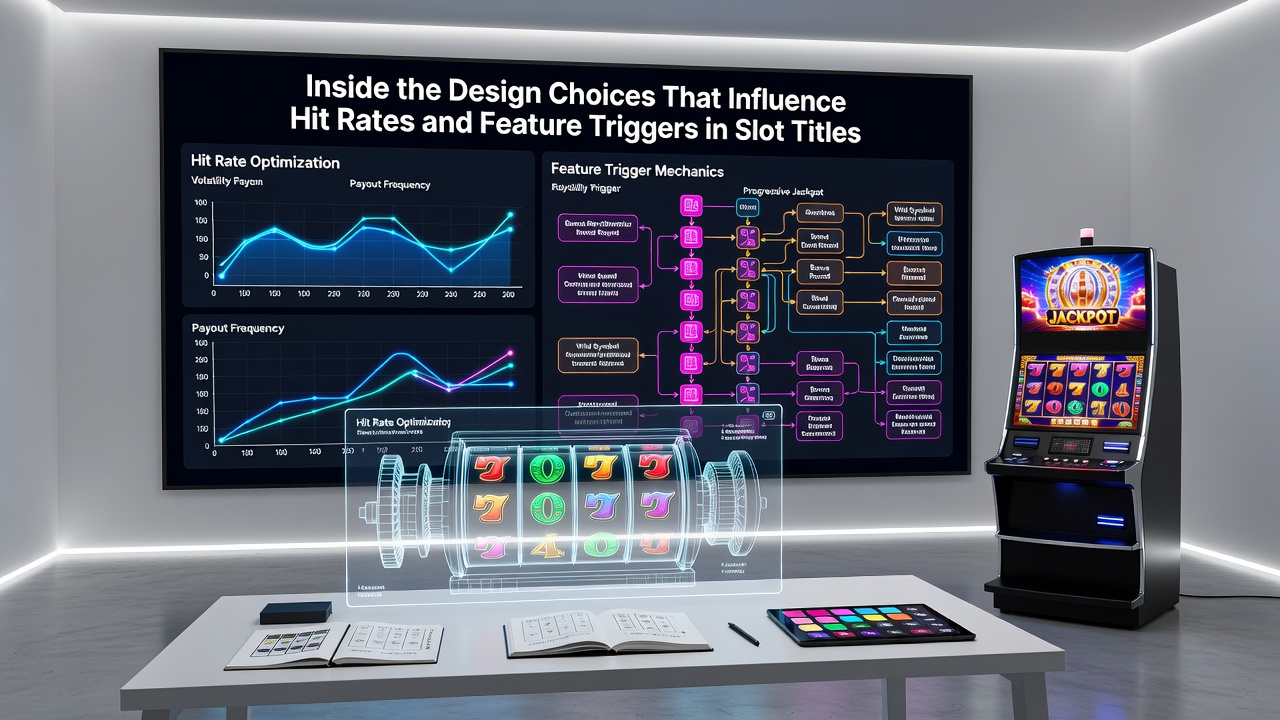 Multipliers and expanding elements often tie into the same probability frameworks yet receive dedicated weighting to avoid clustering too many high-value outcomes together, and testing protocols evaluate thousands of simulated spins to verify that feature intervals align with intended volatility profiles. Observers note that games released after 2024 increasingly employ dynamic reel expansions during features, which temporarily alters hit rates mid-session while preserving long-term statistical integrity.
Regulatory Standards and Testing Protocols
Independent laboratories verify all probability tables against jurisdictional requirements, and figures from the Nevada Gaming Control Board show consistent application of minimum hit rate disclosures alongside random outcome certification across approved titles. Similar oversight exists in other regions where authorities mandate documentation of trigger frequencies to ensure transparency for operators and players alike.
By June 2026 several markets plan updates to technical standards that may require additional reporting on feature activation intervals, prompting developers to refine their internal simulation tools accordingly while maintaining existing mathematical models. Industry reports from the American Gaming Association highlight how these evolving guidelines influence pre-release validation processes without changing core design methodologies.
Integration of Visual and Auditory Cues
Visual and sound design choices complement the mathematical framework because near-miss animations and escalating audio cues can emphasize certain reel stops even though they exert no influence on actual probabilities, and such elements receive calibration during user testing phases to align perceived frequency with measured outcomes. Developers document these adjustments separately from RNG specifications to maintain compliance across reviewed jurisdictions.
Conclusion
Overall slot architecture emerges from iterative adjustments to reel stops, symbol weights, trigger tables, and verification procedures that together establish consistent hit rates alongside predictable feature intervals. Continued refinement of these elements supports ongoing releases that meet both player expectations and regulatory benchmarks across global markets.